Flake with polyaspartic
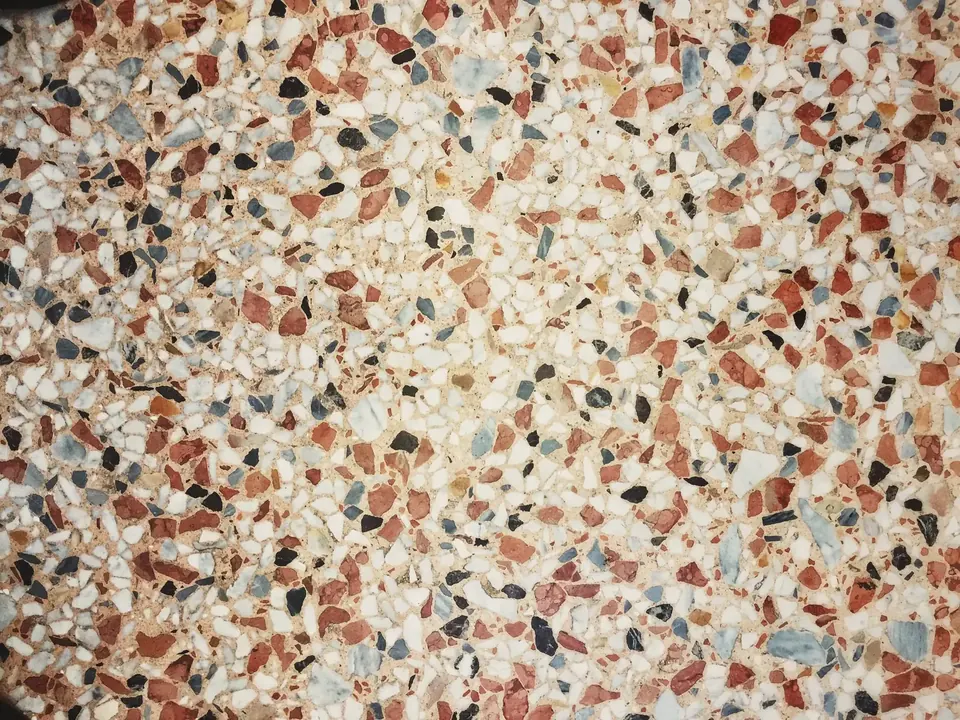
A full chip broadcast in stone-like blends, sealed with a UV-stable clear coat and added grit. It is our most requested patio finish.
Request a quote
Four quick details are enough to start. We will follow up to arrange a visit.
Or call (262) 000-0000
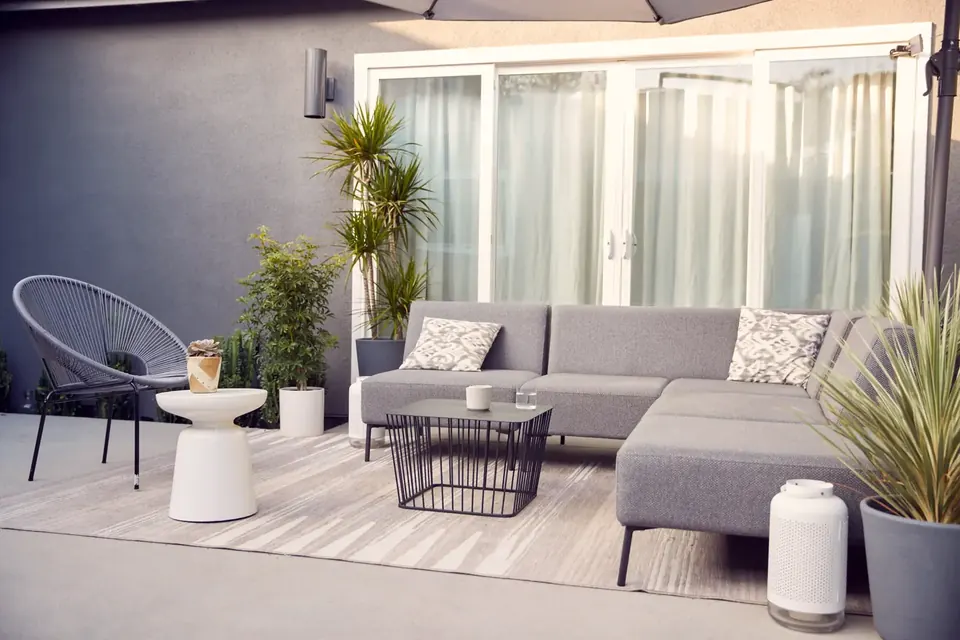
Patio and concrete coatings in Brookfield, WI
The concrete outside your home is part of how the property looks. We restore worn patios, stoops and walks and give them a textured, sealed finish that suits the house.
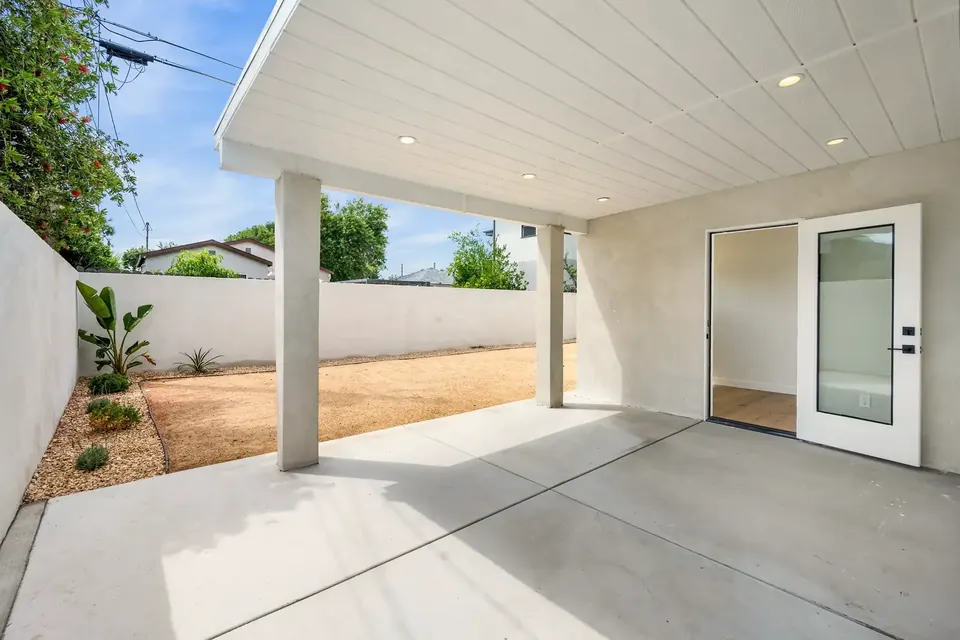
Homeowners in Brookfield put real effort into landscaping, lighting and exterior paint. Then there is the concrete: a front stoop with a rough, pitted surface, a patio stained by planters and grill grease, a walkway that has gone from light grey to blotchy brown. It is easy to stop seeing it. Visitors do not.
Replacing sound concrete just because it looks tired is expensive and disruptive. Coating it is often the smarter move. After grinding and repair, a resin system gives the slab a fresh, even color, a texture that is safe when wet, and a sealed surface that resists the water and salt that caused the wear to begin with.
The result is an outdoor floor that looks finished. A patio becomes a room. A front entry looks cared for. And the surface is far easier to keep clean than raw concrete ever was.
A full chip broadcast in stone-like blends, sealed with a UV-stable clear coat and added grit. It is our most requested patio finish.
Fine colored quartz in clear resin. It has a sandy feel underfoot and excellent grip, and it is a favorite for steps and pool surrounds.
A single, even color with slip-resistant additive. Clean and contemporary, particularly on covered porches.
For concrete that has lost its top layer, a polymer-modified cement overlay rebuilds the surface before any coating is applied.
When the concrete is still in good condition, a penetrating sealer may be all it needs. It is invisible, inexpensive and slows down salt and water damage.
Patios. Open slabs, slabs under pergolas and the concrete around fire features and outdoor kitchens.
Covered porches. Front porches, screened rooms and three-season spaces on a slab. Protected from direct weather, these are the most dependable candidates.
Stoops and steps. The most visible concrete on the property and the hardest-hit by de-icers. We coat treads and risers for a complete look.
Walkways. Front walks and side paths, finished to match the entry.
Pool and spa surrounds. Light-colored, textured finishes that are comfortable under bare feet.
Balconies and landings. Where a waterproof, slip-resistant surface is a safety matter.
We are cautious about driveways. They take snowplow blades, turning tires and the full force of the weather. In most cases a quality penetrating sealer is the better treatment, and we will explain why if you ask.
We check for soundness, drainage, previous sealers and moisture. Slabs that are heaving or crumbling need a different solution.
Mechanical grinding removes weak material and stains and opens the surface. Edges against the house and around posts are detailed by hand.
Scaling, cracks and broken step edges are rebuilt. Joints are cleaned and sealed with flexible material.
The base goes down and flake or quartz is broadcast. Step risers and slab edges are coated to match.
A non-yellowing clear coat with traction additive finishes the system.
Foot traffic is typically fine the next day. Furniture and planters return after two or three days.
Coating outside is not the same job as coating a garage. The weather has a vote.
The slab has to be dry, so we watch the forecast before and after the installation date. We avoid coating in strong afternoon sun, because warming concrete pushes air out through the wet resin and leaves bubbles. We watch the dew point in the evening, because moisture settling on a fresh coating can cloud it.
Materials are more restricted, too. Only UV-stable resins belong on an exposed surface. And the concrete itself needs honest evaluation. Exterior slabs are sometimes poured without proper air entrainment, sometimes pitch toward the house, sometimes sit on soil that stays wet. A coating cannot fix those conditions, and applying one anyway is a waste of your money.
Knowing which slabs will hold a coating for years and which will not is the core of what we offer.
That is exactly what the first visit is for. We will tell you which one we would choose for our own home.
Exterior concrete here goes through dozens of freeze-thaw cycles each winter. Every time water in the surface freezes, it expands. Over the years, that is what produces the rough, scaled texture you see on older stoops and walks. De-icing salt accelerates the process, and front entries, which get salted the most, show it first.
A coating interrupts the cycle by keeping water out of the surface. For that to work, the installation has to be right. The slab must be dry all the way through, repairs must be made with materials that tolerate freezing, and edges and joints must be sealed so water cannot slip underneath.
Timing is seasonal. We install exterior systems from about May through early October, when the concrete is warm and has had a chance to dry. Spring projects need a stretch of dry weather after the thaw. Early fall is often ideal: mild days, low humidity and a finished surface ready before the first snow.
Use a plastic or rubber-edged shovel. Choose a gentler de-icer such as calcium magnesium acetate, or use sand for traction, and avoid products with ammonium compounds. Rinse the surface in spring to clear away residue.
Hose the surface off as needed and scrub occasionally with a soft brush and mild detergent. Move planters now and then so moisture does not sit under them all season. Check joint sealant each spring and touch it up if it has pulled away.
Homeowners usually arrive with one question: is this worth coating, or should it be torn out? Here is how we think about it.
Sealing is the lightest touch. A penetrating sealer soaks in and reduces how much water and salt the concrete absorbs. It does not change the color or hide flaws. It suits concrete that is still in good shape and costs the least.
Coating changes both the look and the protection. It hides stains and repairs, adds texture and color, and seals the surface thoroughly. It suits sound slabs with cosmetic wear and is a mid-range investment.
Replacing is the answer when the slab has failed: sections that have heaved, settled or broken apart, or concrete that drains toward the house. It costs the most and takes the longest, and new concrete still needs sealing to avoid the same fate.
Many properties end up with a mix. A sound patio gets coated, a newer walkway gets sealed, and one sunken step gets replaced. We will tell you where we think each piece falls.
What homeowners ask before coating exterior concrete.
On sound, well-drained concrete, many years. Covered areas last longest. Fully exposed surfaces may want a fresh clear coat eventually to renew the finish.
No. Exterior systems are textured as standard, and we can increase the grit on steps or around water.
Dark colors absorb heat. Lighter blends stay much more comfortable, and we recommend them for sunny patios.
Paint and film-forming stains are removed by grinding first. The new system needs to bond to bare concrete.
Often. Broken edges and surface scaling can be rebuilt with repair mortar. If the stoop has separated from the house or is settling, replacement is the better course.
The coating resists salt. Using less of it is still better for the surrounding concrete, your landscaping and the finish over time.
Yes. Using the same blend on the garage floor and the front entry creates a consistent look from the driveway to the door.
Keep exploring
Request a quote
Tell us what you have and what you would like it to look like. We will check the condition of the concrete and give you an honest view of the options.
Rather talk it through? (262) 000-0000