Finished basements
Family rooms, theaters, bars and guest suites. The floor stands up to parties, spilled drinks and rearranged furniture, and it works with area rugs where you want softness.

Request a quote
Four quick details are enough to start. We will follow up to arrange a visit.
Or call (262) 000-0000
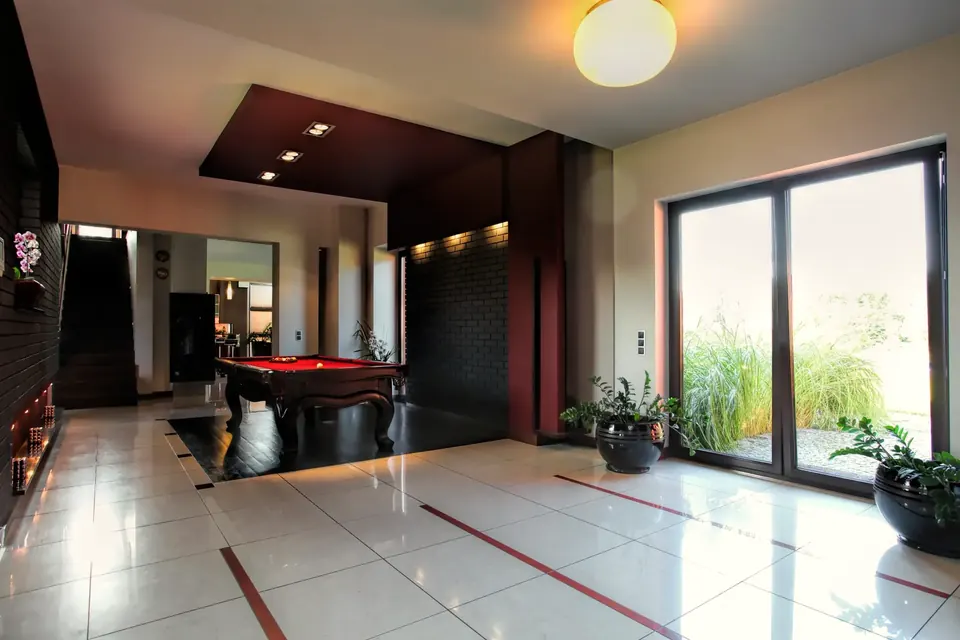
Residential epoxy floors in Brookfield, WI
Basements, gyms, laundry rooms and workshops all sit on concrete. We turn that slab into the finished floor, without layering materials over it that dislike moisture.
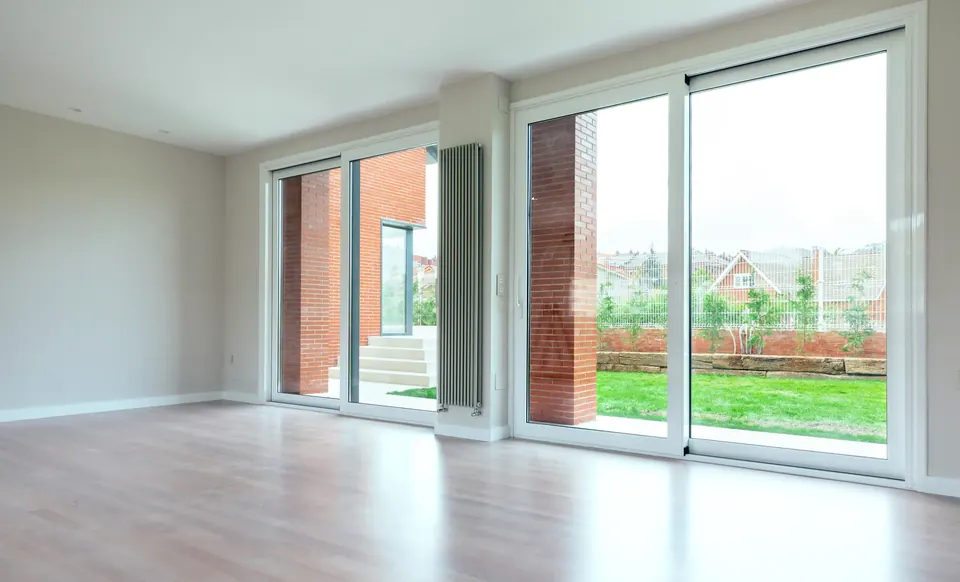
When people finish a basement, the usual instinct is to cover the concrete: carpet and pad, floating laminate, or vinyl plank over an underlayment. Each of those adds a layer that can trap moisture between itself and the slab. Sometimes that is fine for years. Sometimes a wet spring or a failed sump pump turns it into a tear-out.
A resin floor takes a different approach. There is nothing laid over the concrete. The coating is bonded to it, and the result is one continuous surface from wall to wall. Water that lands on it stays on top. If the room ever does get wet, there is nothing to pull up, dry out or replace.
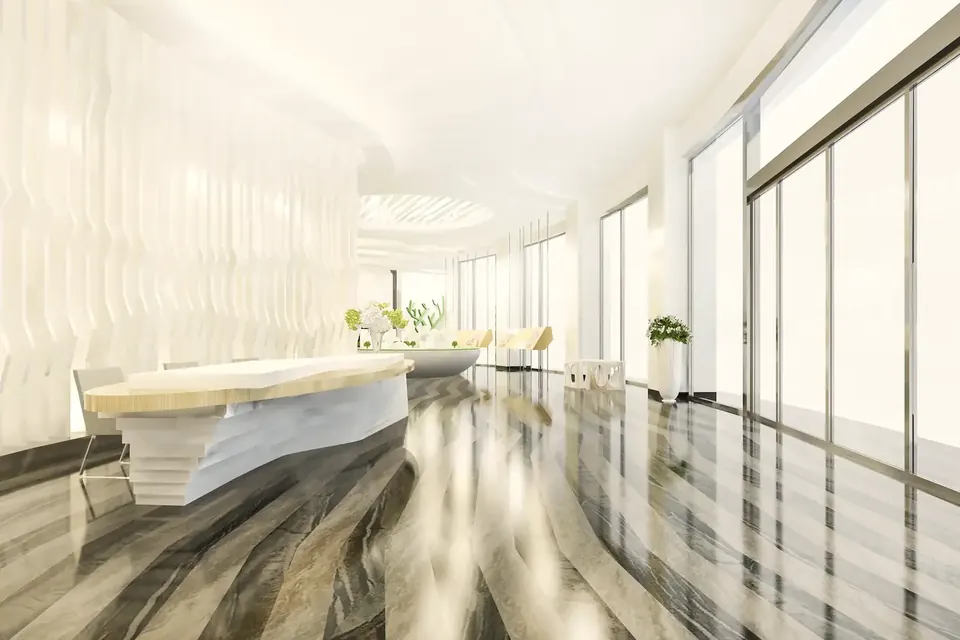
This is not a compromise on appearance. Modern coatings come in soft, matte and satin finishes, quiet stone-like flake patterns and metallic effects that look like poured marble. In a lower level with good lighting, a coated floor reads as clean, current and deliberate.
Family rooms, theaters, bars and guest suites. The floor stands up to parties, spilled drinks and rearranged furniture, and it works with area rugs where you want softness.
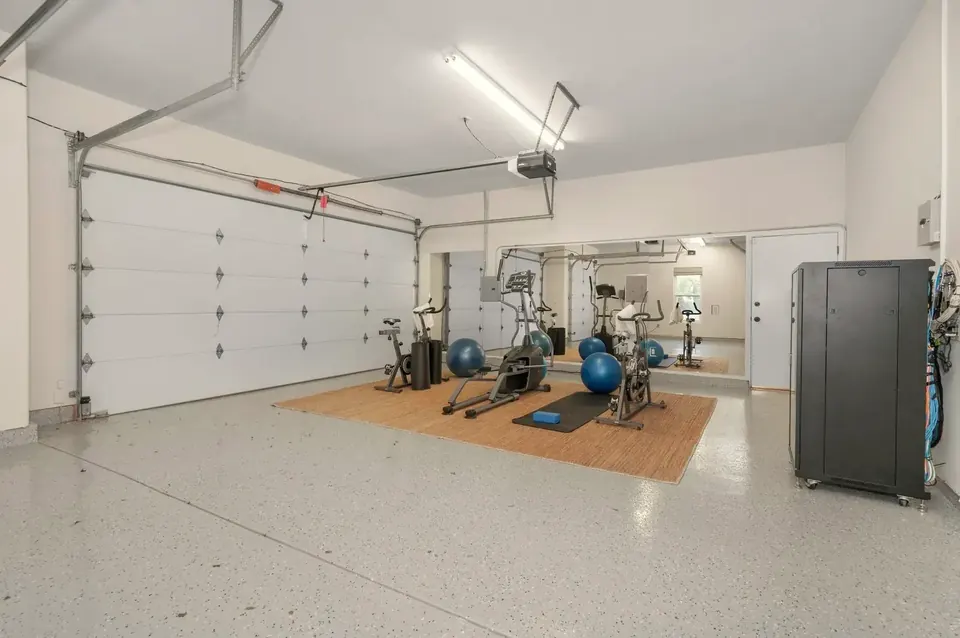
Weights, bikes and treadmills sit directly on the coating or on mats laid over it. The surface wipes down quickly and does not hold odor.
Small rooms where leaks eventually happen. Coating the floor, and a few inches up the wall if you like, turns the room into a shallow pan that is easy to mop out.
For woodworking, bike repair, model building or a potting bench. Dropped tools and spilled finishes do not leave a mark that matters.
Where an entry sits on concrete, a textured coating handles wet boots, salt and sports gear far better than wood or laminate.
Even in unfinished space, sealing the slab ends the dusting and makes it possible to keep the room properly clean.

Interior floors are seen at close range and in better light than a garage, so the finish deserves some thought.
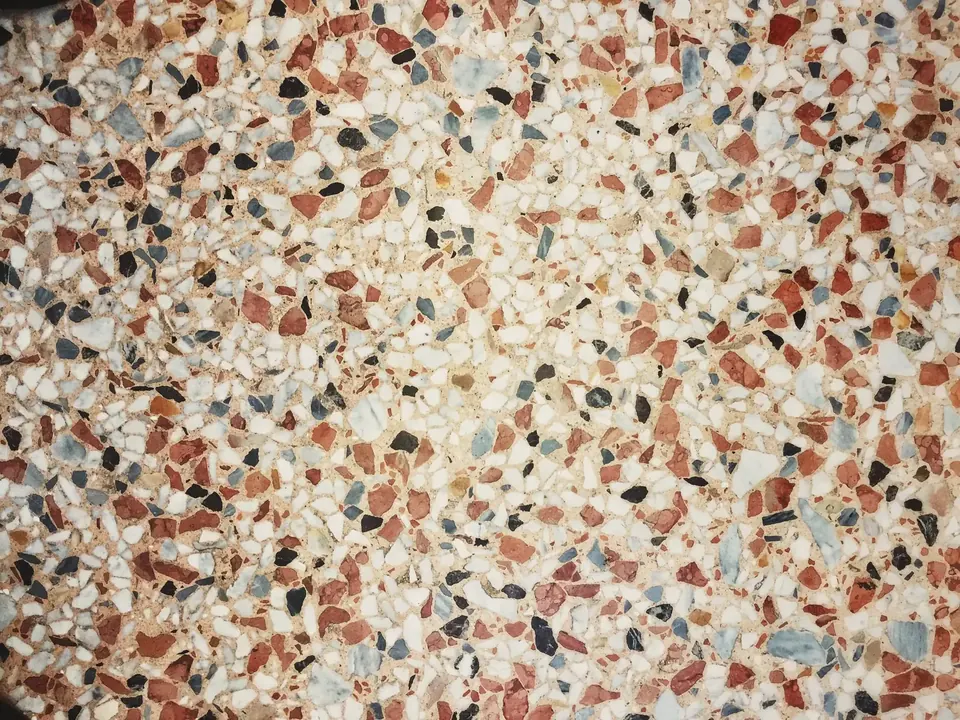
Micro-flake is our most frequent recommendation for family spaces. The chips are small, the pattern is tight, and in neutral blends it looks like a honed stone composite. It hides crumbs, pet hair and footprints.
Solid color in satin gives a calm, modern surface. It suits gyms and studios and pairs well with rubber flooring in lifting areas. Mid-tones are the most practical.
Metallic is for rooms meant to impress. The colors move and pool as the resin cures, so each floor is unique. It is glossy by nature and can be softened with a satin topcoat.
Quartz adds fine, sand-like texture and is extremely tough. We suggest it for workshops, lower-level bathrooms and anywhere that gets wet regularly.
Sheen matters as much as color. High gloss shows off depth and also shows every speck. Satin is more forgiving, and for most homes it is the better everyday choice.
We plan interior projects so the rest of the house stays livable.
Moisture readings, a check for old adhesives or paint, and a conversation about furniture, access and timing.
Plastic barriers at doorways, covered supply and return vents, and protected stairs and hallways.
Carpet glue, tile mastic and old paint are removed. The slab is ground and vacuumed until it is clean.
Cracks are filled, rough areas are smoothed and the transitions at doors and floor drains are prepared.
Primer first, moisture-tolerant if needed. Then color, any flake, quartz or metallic work, and the clear protective coats.
Most floors accept foot traffic the next day and furniture within two to three days.
Coating a basement is harder than coating a garage, for three reasons.
The first is moisture. Below-grade slabs are in contact with damp soil, and vapor moving up through the concrete is the leading cause of coating failure indoors. It cannot be judged by eye. We use test methods that put a number on it, and we select primers rated for that number.
The second is finish quality. In a living space, small flaws stand out: a roller line, a bit of lint, a thin patch near the wall. Avoiding them takes the right tools, a clean room and practice at keeping a wet edge across a large floor.
The third is what is already on the slab. Old adhesives, especially the black cutback glue under mid-century tile, have to be removed mechanically and can bleed through coatings if they are not handled properly. Some older tile and adhesive should be tested before it is disturbed. We will flag that when we see it.
A visit takes less than an hour and tells you whether your slab is a good candidate.
Many homes in Brookfield have full basements, and a large share of them are finished. That makes the lower level real living space, and it makes moisture management a practical concern, not a theoretical one.
Our clay-heavy soils drain slowly. In March and April, as the snowpack melts and the ground thaws, the water table rises and sump pumps run. Slabs that are dry in August can show elevated moisture readings in spring. When we test, we take the season into account, and when the timing allows we like to see how a floor behaves during the wet part of the year.
For slabs with moderate vapor emission, we install a moisture-mitigating epoxy primer under the decorative system. For slabs with standing water, active leaks or heavy white mineral deposits, the right first step is drainage or waterproofing work. We will tell you so plainly and will not coat a floor we expect to blister.
Winter is actually a convenient time for interior projects. The house is heated, the slab is warm and stable, and the humidity indoors is low, which helps coatings cure evenly.
Day-to-day care is a dust mop. For a deeper clean, damp mop with a neutral cleaner and rinse. Put felt pads under furniture legs and a mat at any door that leads in from outside or from the garage.
Do not wax the floor or use polish. The sheen is part of the topcoat. If the finish ever dulls in a traffic path after many years, a single fresh topcoat restores it without redoing the floor.
Interior projects go more smoothly with a bit of planning. Decide where furniture will live for a few days; an adjoining room or the garage usually works. Take down anything fragile near the work area. If the basement holds a freezer or a workbench that cannot leave, we can coat in two phases and shift it between them. Keep the heat steady during the project, since even temperatures help the coating cure evenly.
Common questions from Brookfield homeowners about coating interior concrete.
It feels like a smooth stone or tile floor. Rugs add warmth and softness where you sit, and the surface is ideal under them because it will not be damaged by a spill that soaks through.
Yes. Resin coatings are thin and conduct heat well, so they are a good partner for hydronic radiant systems. We ask that the heat be at a steady, moderate setting during installation.
We use high-solids, low-odor materials indoors and ventilate the work area. There is a mild smell during application that fades over a day or two.
A one-time event from a failed pump or a plumbing leak is not a concern. Recurring seepage is. We will ask about the history and test the slab before recommending anything.
Installed prices are often in a similar range once underlayment and trim are included. The difference is in what happens later. A coated floor is not harmed by water and does not need to be replaced after a wet event.
Yes. Using the same flake blend or a related color in the garage, the mudroom and the lower level is a nice way to connect the spaces.
Claws do not hurt a quality topcoat in any meaningful way, and accidents clean up completely. A light texture helps older dogs keep their footing.
Keep exploring
Request a quote
Tell us which rooms you have in mind. We will check the slab for moisture, talk about finishes and give you a written quote you can plan around.
Rather talk it through? (262) 000-0000